
How the Economic Crisis in Chile Can Affect Your Wallet
Record unemployment in Chile and rising fuel prices provide lessons on managing personal finances in times of crisis.
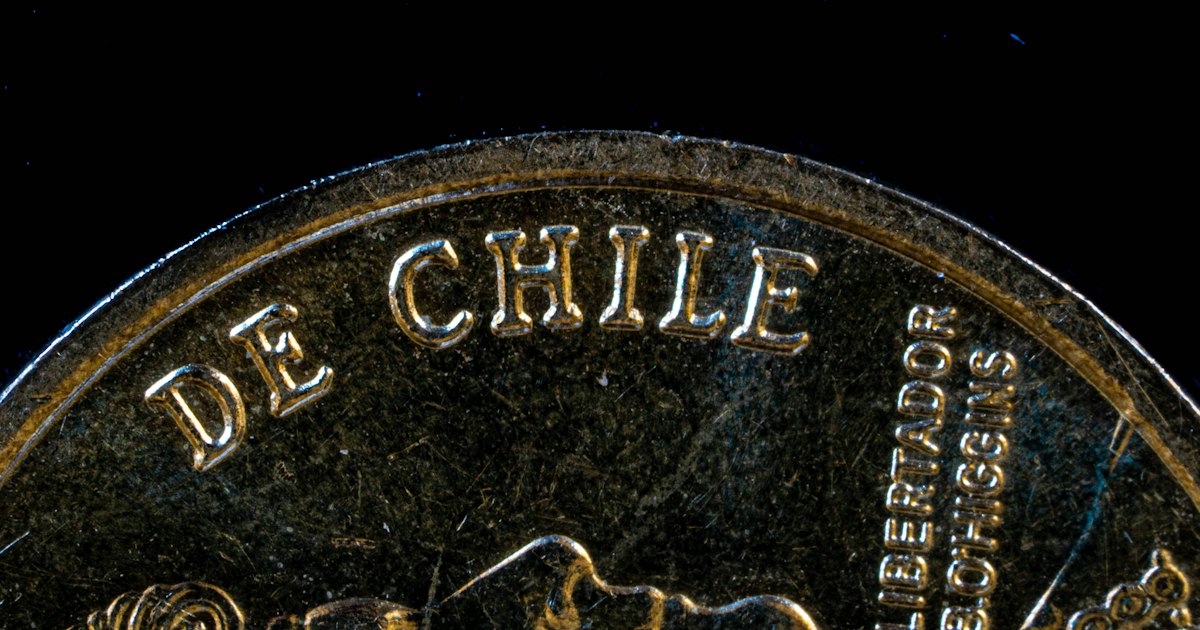
What Happened in Chile?
According to G1, Chile is facing an economic crisis with unemployment reaching 9.6%, the highest level in five years. The government of José Antonio Kast, which promised to rejuvenate the economy through a fiscal austerity plan, is facing a challenging landscape including a decline in GDP and rising living costs due to fuel price increases.
The austerity measures, while aimed at reducing the fiscal deficit, have resulted in significant economic stagnation. With domestic demand stalled and mineral production declining, Chileans are feeling the direct effects on their daily finances.
Why Does This Matter?
The current economic situation in Chile can serve as a warning about the effects of strict fiscal policies and how they can impact people's everyday lives. When unemployment rises and living costs increase, families, regardless of the country, face similar difficulties.
In Brazil, the situation is not much different. High inflation and unemployment affect many Brazilians, increasing the importance of having a solid financial plan. The 50/30/20 approach, which suggests that 50% of income should go to needs, 30% to wants, and 20% to savings and investments, can be a valuable tool in times of economic uncertainty.
Practical Impact on Your Finances
With rising inflation and unemployment, your wallet can be affected in several ways:
- Price increases: If you notice that prices for products and services are rising, this can reduce your purchasing power. For example, if you used to spend R$ 1,000 a month on essential expenses and those costs rise to R$ 1,200, you will have less money available for other areas.
- Fewer job opportunities: With high unemployment, finding a new job or even keeping your current one can become more challenging. This means you should have a financial backup plan, such as an emergency fund, to cover unexpected costs.
- More cautious financial decisions: In times of crisis, it is important to review your budget and cut unnecessary expenses. If you used to spend R$ 300 a month on dining out, consider reducing it to R$ 150 and cooking more at home.
What You Can Do?
Here are some concrete actions you can take to protect yourself financially during uncertain economic times:
- Review your budget: Use the 50/30/20 rule to better understand where you are spending and where you can cut. This can help increase your savings and reduce financial pressure.
- Build an emergency fund: If you do not have one yet, start saving for an emergency fund that covers three to six months of essential expenses. This can provide security in case of job loss or unexpected cost increases.
- Invest in financial education: Learning more about finances can help you make more informed decisions. Consider online courses or readings on financial management.
Connecting with Financial Organization
The difficulties faced by the Chilean people highlight the importance of good financial organization. By understanding and applying the 50/30/20 method, you can not only better navigate crises but also build a solid foundation for your financial future.
At ADXIS, we are here to help you implement these concepts and manage your finances effectively, even in tough times.
Was this article helpful?
Equipe ADXIS
A equipe de conteúdo do ADXIS escreve sobre organização financeira, investimentos e comportamento com dinheiro.