
How Inflation in the US Can Impact Your Finances in Brazil
Understand how rising inflation in the US affects your daily finances and what actions to take.
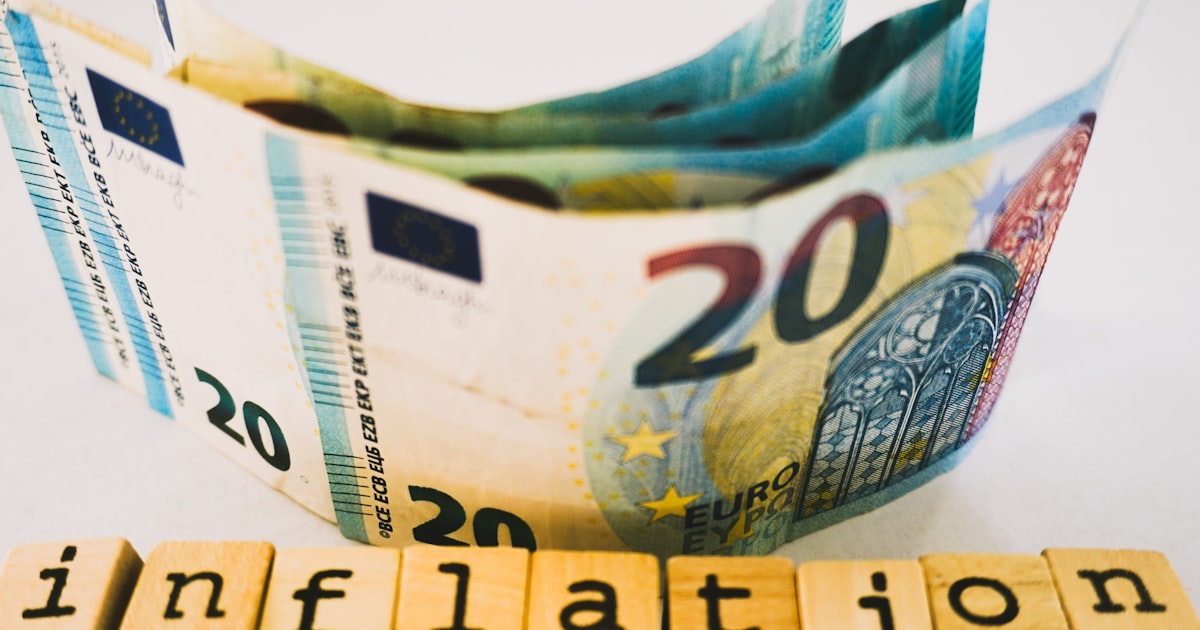
US Inflation and What It Means for Us
According to G1, Donald Trump made controversial comments about inflation in the United States, claiming he 'loves inflation' while prices rose 4.2% in May, the highest increase in three years. While this statement is eye-catching, it brings to light a reality that can directly impact the financial lives of many Brazilians.
Inflation is an economic phenomenon that affects purchasing power. In the case of the US, price increases were partly driven by energy costs, especially due to international conflicts. While inflation in the US is not directly ours, it can have side effects that reverberate worldwide, including Brazil.
The Context of Global Inflation
With rising fuel and energy prices, it is natural for this to create pressure on the prices of products and services across various economies. The cost of oil, for example, is a crucial factor. When oil prices go up, it impacts not just gasoline but also the transportation of goods, delivery services, and even food prices.
To give you an idea, if the price of gasoline in the US has risen to R$ 4.73 per liter, this can mean that the price per liter here in Brazil might also be affected due to the dollar exchange rate and other variables. This interconnectedness between economies leads us to reflect on how inflation can manifest in our daily lives.
Practical Impacts on Your Wallet
When we talk about inflation, it's important to understand how it affects your personal finances. Inflation can result in:
- Increased product prices: If you usually spend R$ 500 a month on groceries, a 4.2% inflation rate means you would need to spend around R$ 21 more to buy the same items.
- High energy costs: If your electricity bill is R$ 200, an increase in energy prices can significantly add to that, forcing you to adjust your budget.
- Higher interest rates: With inflation rising, central banks may increase interest rates, which makes loans and financing more expensive. If you have a R$ 50,000 mortgage, a 1% increase in the interest rate can represent thousands of Reais more to pay over time.
What You Can Do Now
In light of this scenario, it's essential to take some actions to protect your finances:
- Review your budget: Use the 50/30/20 method to ensure you're allocating your money appropriately. With inflation, it's good to review whether the proportions still make sense.
- Create an emergency fund: With price instability, having a fund can help cover unexpected expenses without compromising your monthly budget.
- Consider investing: In times of inflation, investing your money in assets that outpace inflation can be a good strategy. Explore fixed income options, which tend to be safer.
Connection with Financial Organization
Using tools like ADXIS can facilitate the organization of your finances, helping you better manage your money in challenging economic scenarios. By monitoring your spending and adjusting your budget, you can respond more quickly to price changes and protect your purchasing power.
Was this article helpful?
Equipe ADXIS
A equipe de conteúdo do ADXIS escreve sobre organização financeira, investimentos e comportamento com dinheiro.