
How the Change in Savings Account Interest Affects Your Daily Life
The recent update in savings account interest may seem subtle, but it brings new opportunities and challenges for your personal finances.
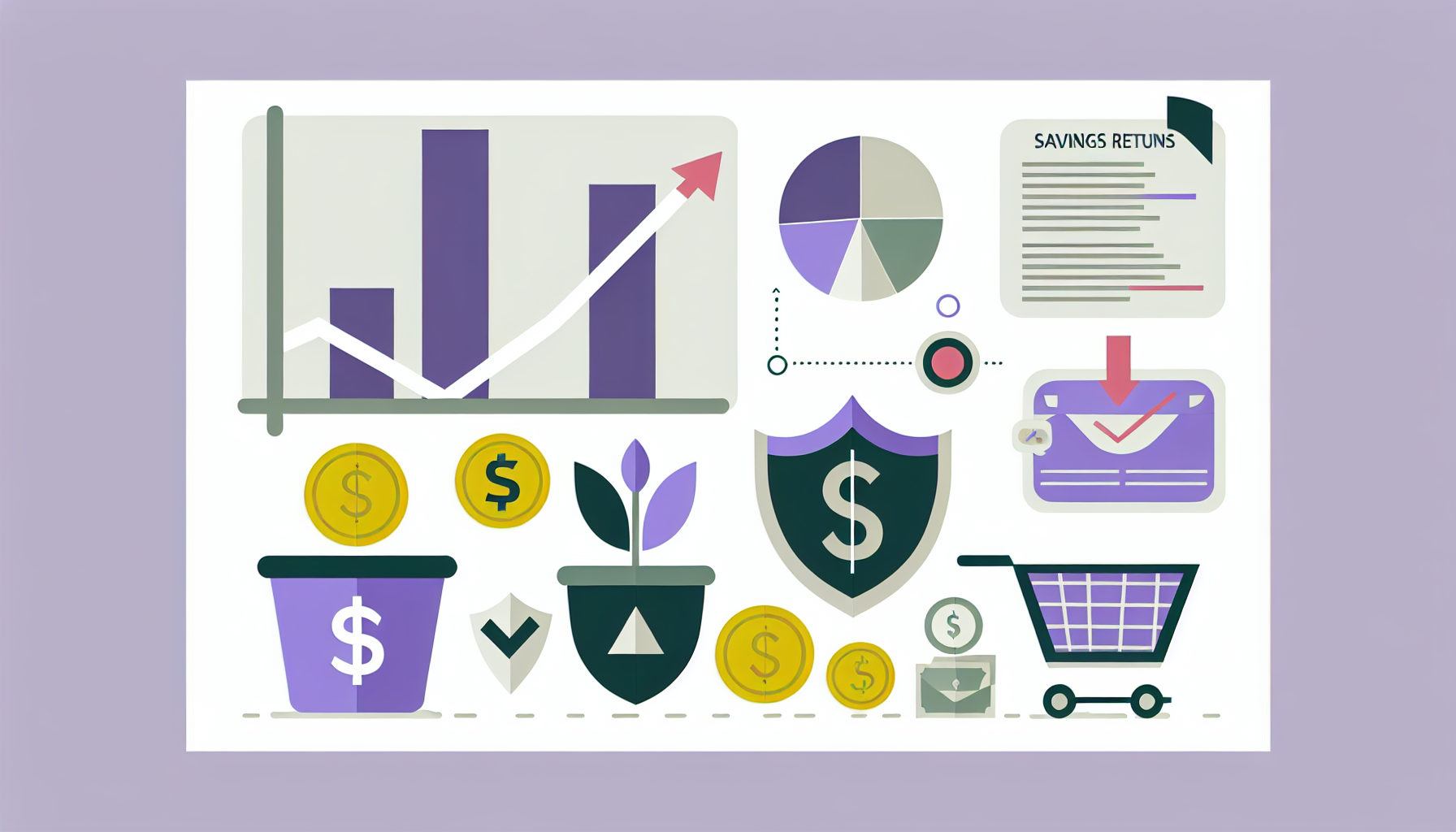
What Changed in Savings Account Interest?
On April 1, 2026, the interest rate for savings accounts increased from 0.6385% to 0.6687% per month. This change, while seemingly minor, reflects an improvement in the profitability of the money saved in the account. For those who have been saving, this can be a relief, but it's essential to understand how this will affect you in practice.
The savings account interest is tied to the Selic rate, which is currently at 13.75% per year. With this new rate, the account offers slightly more attractive returns for savers, but there are still other investment options that could yield higher returns. Let's explore what this change means for you.
Direct Impacts on Your Budget
If you have money saved in a savings account, the new rate means that for every R$ 1,000, you will earn about R$ 6.69 per month. While this may seem minimal, over a year, you could see an additional R$ 80 compared to before. For some, this could be a good incentive to keep saving. However, it's crucial to analyze whether the savings account is still the best option for your financial goals.
- Return: With the new rate, monthly returns increase, but you need to consider inflation and other investment options.
- Safety: The savings account is guaranteed by the FGC (Credit Guarantee Fund), making it a secure choice for those seeking stability.
- Liquidity: Money in savings can be withdrawn at any time, which is an advantage over other investments.
Alternatives to the Savings Account
With the new savings interest rate, it's a good time to reassess your investment options. Here are some alternatives that may offer higher returns:
- CDBs or RDBs: Certificates of Deposit can yield better returns depending on the financial institution.
- Fixed Income Funds: These funds often have professional management and may provide better returns than savings accounts.
- Government Bonds: The Treasury Direct program can be an interesting option, especially the Treasury Selic, which tracks the Selic rate.
These alternatives may require a bit more planning and patience, but they can be more advantageous in the long run.
What to Do Now?
Now that you know the savings interest rate has increased, here are some practical tips for managing your finances more effectively:
- Assess Your Goals: Ask yourself what your goal is with saving. If it's an emergency fund, the savings account may still be valid. But if you want your money to grow, consider other options.
- Research: Don't settle for just the savings account. Look into higher-yield accounts, CDBs, and investment funds. The market is full of options!
- Get Financially Organized: Use the 50/30/20 method to organize your budget and allocate a portion for investments that can yield better returns.
Conclusion
The change in savings account interest serves as a reminder that the financial landscape is always shifting. While the new rate may provide a small reprieve, it's essential to stay alert to the opportunities that can offer significant returns. Always remember that financial education is key to making better decisions and ensuring a more secure financial future.
Was this article helpful?
Equipe ADXIS
A equipe de conteúdo do ADXIS escreve sobre organização financeira, investimentos e comportamento com dinheiro.