
How Inflation Drop Could Impact Your Interest Rates
A slight increase in the IPCA opens space for interest rate cuts, but caution is needed. Learn how this affects your finances.
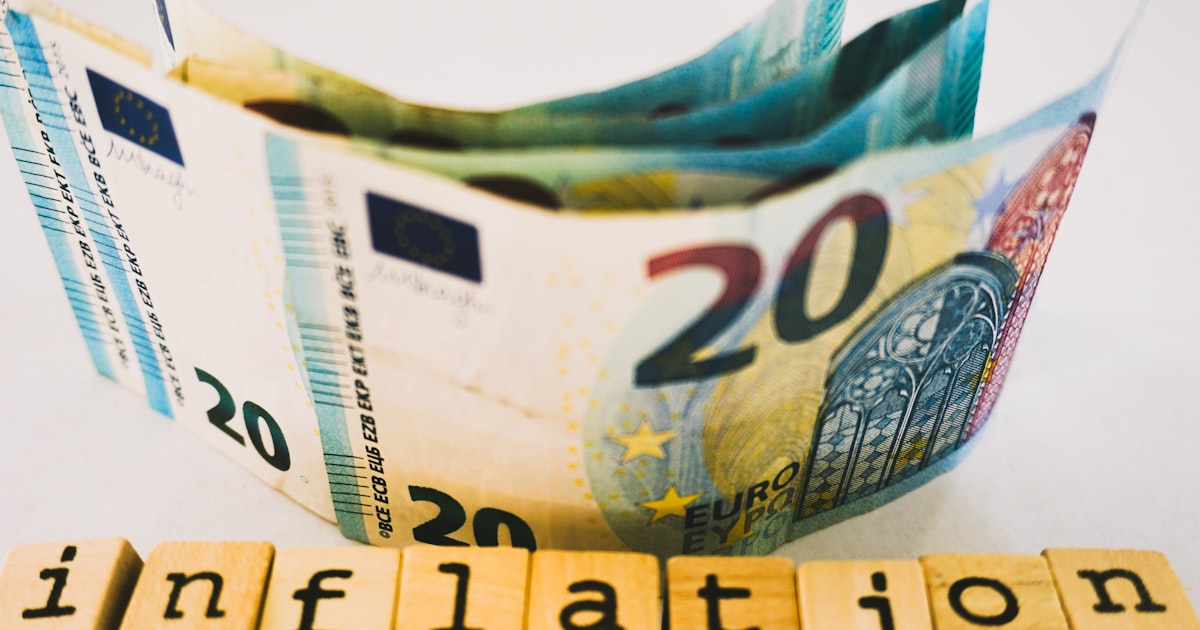
What happened with inflation?
According to Valor Econômico, inflation measured by the IPCA rose only 0.16% in June, well below the expected 0.31%. This slight increase was driven by deflation in food and beverages, which carry significant weight in the index. While overall inflation has performed better than expected, the scenario still requires attention, especially with economic and political uncertainties on the horizon.
Deflation in sectors like food and beverages could be a temporary relief for Brazilian households. However, the rise in transport prices, especially airfares, indicates that not all segments are following the same trend. This situation highlights the importance of monitoring inflation indices and their repercussions on the economy and, of course, on our personal finances.
Why does this matter?
The Central Bank is keeping an eye on inflation, and the slight rise in the IPCA brings the possibility of cuts in the Selic rate into play. If the Selic falls, this could be good news for those with loans or financing, as interest rates become lower. On the flip side, it could signal that inflation is still high in some areas, which can impact your purchasing power.
With expectations for economic growth and pressure from government spending, inflation may remain elevated. This means that even with the potential for a Selic reduction, caution should be the watchword. For you, this means you need to stay alert to your financial planning.
What changes for your wallet?
If you earn a salary and pay bills every month, changes in the Selic rate will directly impact your finances. For example, if you have a R$ 100,000 loan with an interest rate of 8% per year, a reduction in the Selic could lower the interest you pay over time.
- Loans and financing: A decrease in the Selic may reduce monthly payments.
- Credit cards: If you have credit card debt, lower interest rates could lighten that burden.
- Investments: Lower interest rates may mean less profitability in fixed-income investments like CDBs and savings.
Actions you can take
With this new reality, what can you do?
- Review your budget: With potential cuts in the Selic, it could be a good time to renegotiate debts and improve your financial planning.
- Create an emergency fund: With inflation still above desired levels, having a financial cushion can help you face uncertain times.
- Invest wisely: Analyze whether it's time to diversify your investments, seeking options that benefit from a low-interest-rate environment.
Connecting all this to your financial planning
Financial management is crucial in this scenario. By applying the 50/30/20 method, you can organize your expenses, prioritizing what really matters. Remember that deflation in some sectors is an opportunity to adjust your budget and ensure you're prepared for potential economic fluctuations.
Stay alert to changes in the economic landscape and use tools like ADXIS to help you organize and better plan your finances, ensuring a more secure financial future.
Was this article helpful?
Equipe ADXIS
A equipe de conteúdo do ADXIS escreve sobre organização financeira, investimentos e comportamento com dinheiro.