
How Trump's Tariffs Could Impact Your Wallet in 2026
Understand how the new US tariffs may affect the Brazilian economy and your personal finances by 2026.
What happened
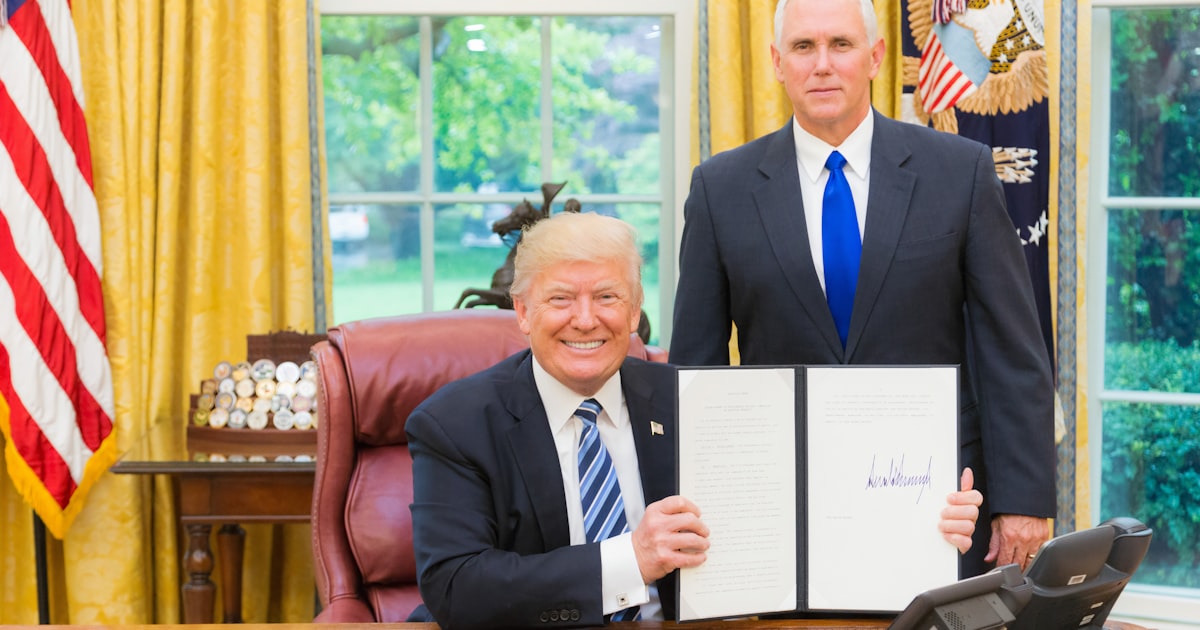
According to G1, the US government announced a 25% tariff on Brazilian products, making Brazil the second most taxed country by the US, behind only China. This decision is an attempt by Trump's administration to use tariffs as political leverage, especially as the Brazilian presidential race approaches in October 2026.
Analyst Ruchir Sharma highlights that while the direct impact is limited, the implications for foreign investment and Brazil's economic climate can be deeper and more complex. The electoral scene is tense, and promises of sovereignty and nationalism may influence public and investor perceptions.
Why this matters
The tariffs imposed by the US do not only affect large companies or international trade; they also have a direct reflection on all our financial lives. If Brazil fails to negotiate with the US or if the economy does not respond well, price pressures may rise, affecting the cost of living and, consequently, your wallet.
Another important point is that an unstable economic scenario can affect your personal finances, especially if you rely on imported products or work in sectors that may be impacted by these tariffs. Moreover, political uncertainty may lead to market fluctuations, which can affect investments and savings.
What changes for salary earners and bill payers
If you are a salaried worker, the increase in the cost of living is something that can impact your monthly budget. Imagine you spend R$ 1,000 per month on food and essential products. With the price increase due to tariffs, this cost could rise, say, 10%, meaning an additional R$ 100 in your monthly budget.
Additionally, if you have debts or use credit cards, interest rates may rise in response to a tense economic scenario. This could mean paying more for installments or even seeing a decrease in your credit limit, making it harder to purchase.
Concrete actions you can take
- Review your budget: Use the 50/30/20 method to adjust your expenses, allocating 50% for needs, 30% for wants, and 20% for savings or debt payments.
- Create an emergency fund: With economic instability, having a reserve that covers at least 3 to 6 months of expenses is crucial.
- Avoid unnecessary debts: Increase your awareness of spending and avoid impulse purchases, especially in times of uncertainty.
- Consider diversifying your investments: Evaluate the possibility of investing in assets that can provide protection against inflation, such as real estate or shares in solid companies.
Connection with financial organization and ADXIS
The current economic scenario requires attention and planning. By using tools like ADXIS, you can organize your finances more efficiently, ensuring that you are prepared to face market fluctuations and rising costs. The 50/30/20 method can help you stay focused on your financial goals, even in challenging times.
Was this article helpful?
Equipe ADXIS
A equipe de conteúdo do ADXIS escreve sobre organização financeira, investimentos e comportamento com dinheiro.