
How Trump's Tariffs Could Impact Your Wallet: Understand
Learn how the proposed 25% tariffs from the US on Brazilian products could affect your purchases and the national market.
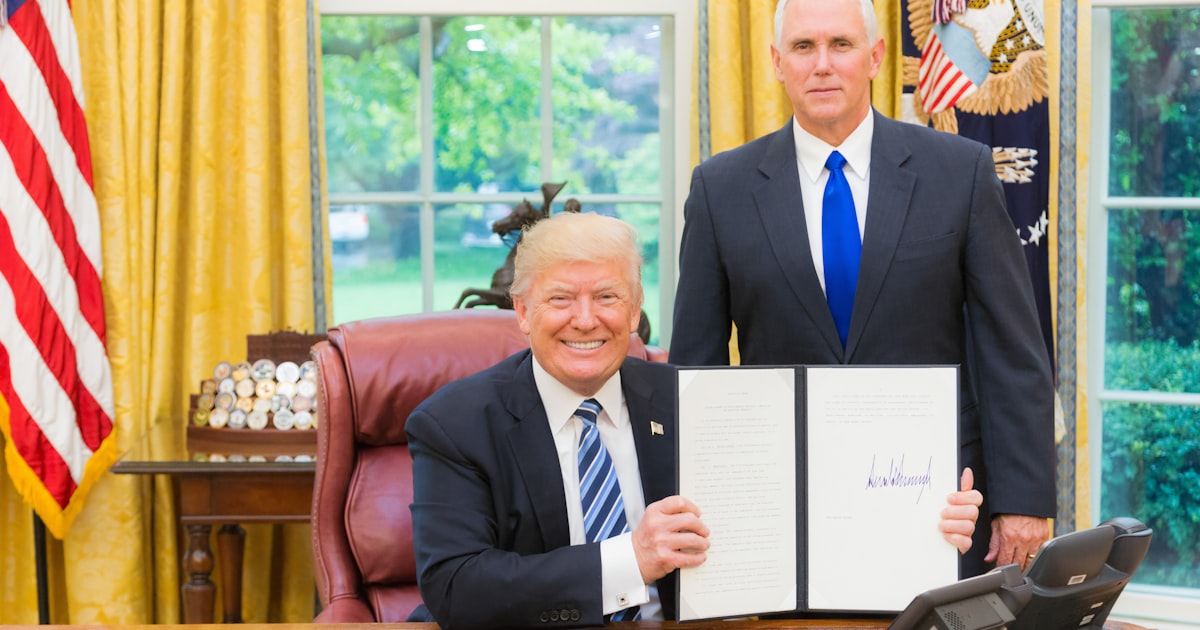
Tariffs at stake: what’s happening?
According to G1, Brazil is mobilizing to contest the U.S. government's proposal to impose an additional 25% tariff on various Brazilian products. Public hearings began on July 6, 2026, and representatives from Brazilian industry and agribusiness are striving to show how this measure would harm not only Brazilian exporters but also businesses and consumers in the U.S.
This movement occurs in a context where the economies of both countries are strongly interconnected. What’s at stake is more than just a simple tariff; it’s a matter that could impact the entire production chain and, consequently, your wallet.
Why does this matter to you?
If you're a consumer, you're probably wondering: how does this affect my daily life? Let’s break it down. Imagine you buy products that could be affected by these tariffs, such as coffee, machinery, or equipment. If the tariffs are implemented, the cost of these products could increase, and that would directly reflect on what you pay at the register.
- Price increases: Products you used to buy for R$ 100 might start costing R$ 125 or more, depending on the new tax.
- Inflation impact: With rising prices, inflation may go up. This means your income could lose value over time.
- Lower supply: If costs increase, producers may reduce the quantity of available products, which can also lead to higher prices.
What can you do now?
Given such an uncertain scenario, it’s essential to take concrete actions to protect your wallet:
- Monitor prices: Keep an eye on price increases for products you usually buy. If you notice a spike, analyze whether it’s a one-time increase or becoming a trend.
- Review your budget: Use the 50/30/20 method to adjust your budget. Set aside 50% for needs, 30% for wants, and 20% for savings. If prices rise, you may need to adjust these percentages.
- Consider alternatives: Research brands or similar products that may offer better prices, especially if the items you frequently purchase are affected.
Connecting everything to your financial planning
These tariffs are not just an issue of international trade; they can affect your everyday life and long-term financial planning. Staying aware of these changes is crucial for you to adapt and maintain control over your finances.
At the ADXIS platform, you can use the 50/30/20 method to organize your expenses and prepare for any eventuality. Being financially prepared is always a good step, especially in times of economic uncertainty.
Was this article helpful?
Equipe ADXIS
A equipe de conteúdo do ADXIS escreve sobre organização financeira, investimentos e comportamento com dinheiro.