
Fertilizer Crisis: What It Means for Your Wallet?
The fertilizer shortage may increase food prices like rice and coffee. Learn about the impact on your daily finances.
What's happening?
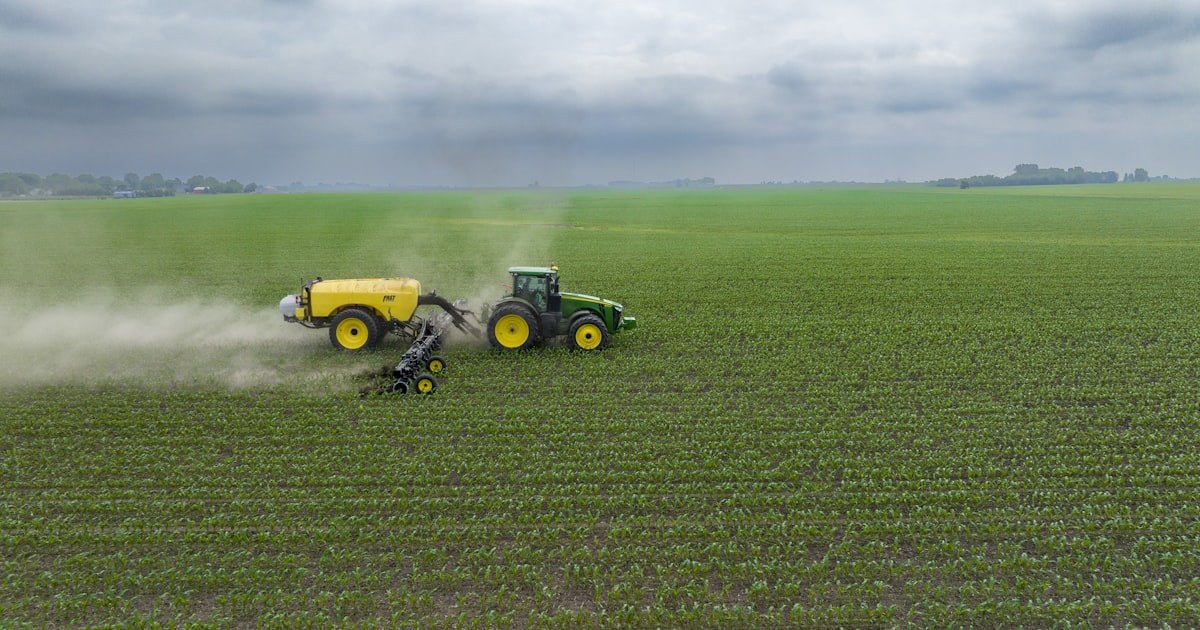
According to G1, the fertilizer crisis, exacerbated by war and the El Niño climate phenomenon, is affecting agricultural production in Brazil. With rising fertilizer prices and transportation difficulties, farmers are reducing fertilization, which could impact the production of essential foods like rice, coffee, and wheat.
Brazil, which imports 85% of the fertilizers it consumes, has seen a 45% drop in urea imports from January to May compared to last year. This is alarming, as fertilizers are crucial for ensuring crop productivity, and their shortage may result in a lower food supply in the market.
Why does this matter?
The fertilizer situation is far from being just a problem for the field — it has direct repercussions on your dining table. With expectations of declining food production, prices for these products may rise. If you typically buy rice, coffee, or wheat, be prepared for potential price hikes that could directly impact your budget.
Additionally, the combination of less fertilizer and El Niño-induced climate changes, which may cause droughts and irregular rainfall, only worsens the scenario. Experts warn that these factors may lead to inflation in food prices, meaning you could pay more for basic items at the supermarket.
Impact on your daily finances
Rising food prices can directly impact your financial planning. According to the 50/30/20 methodology — where 50% of your income should go to needs, 30% to wants, and 20% to savings — you may need to adjust your planning. For example:
- Needs: If you spent R$ 400.00 on food, you might have to increase that amount to R$ 450.00 or R$ 500.00, depending on price increases.
- Wants: With less money left for leisure and non-essential purchases, you may need to cut spending in other areas.
- Savings: If costs rise, it may be harder to save the planned 20% of your income.
What can you do?
Now that you understand the impact of this crisis, here are some practical actions you can take to protect yourself financially:
- Review your budget: Analyze where you can cut back on spending, especially on non-essential items, to accommodate rising food prices.
- Shop planning: Try to buy in bulk items you know you will need and that have a long shelf life, aiming to save in the long run.
- Explore alternatives: Consider substituting more expensive products with cheaper options. For example, if rice becomes too expensive, try alternatives like quinoa or beans.
Connection to financial organization
These events remind us of the importance of maintaining an emergency fund and a solid financial plan. Unexpected events like price increases can occur at any time, and being prepared is essential. ADXIS can help you organize your finances and effectively adopt the 50/30/20 method, ensuring you are always a step ahead of market fluctuations.
Was this article helpful?
Equipe ADXIS
A equipe de conteúdo do ADXIS escreve sobre organização financeira, investimentos e comportamento com dinheiro.