
Dollar Rises: How Does It Impact Your Finances?
The recent rise in the dollar can impact your wallet in unexpected ways. Learn how to protect yourself financially.
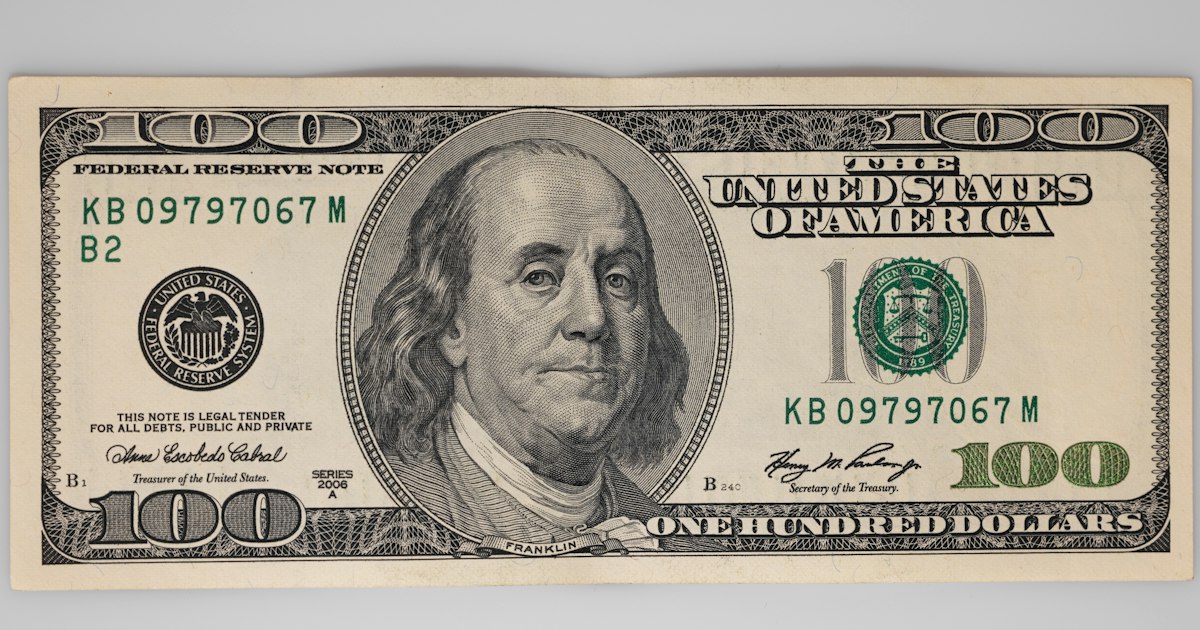
What happened with the dollar?
According to G1, the dollar closed up 0.43% last Monday (14), priced at R$ 5.1472. Global tensions and political instability in Brazil are among the factors influencing this appreciation of the American currency. With expectations of new interest rate decisions in both Brazil and the U.S., investors are cautious.
These currency fluctuations are not just numbers; they have a direct reflection on your financial day-to-day, especially if you rely on imports or are thinking of traveling abroad.
Why does this matter?
The rise in the dollar can be seen as a symptom of economic uncertainty. When the dollar rises, imported products become more expensive, which can pressure inflation. This is particularly relevant for items you use daily, such as electronics, clothing, and even food.
Moreover, political instability and expectations around the Selic rate play a crucial role. If the Central Bank decides to cut the Selic, it may stimulate the economy, but it could also devalue the real against the dollar, depending on how investors perceive the situation.
Practical impact on your daily life
For those earning a fixed salary and paying bills, the dollar increase can mean:
- Price increases: If you buy imported goods or food items, you may notice prices rising.
- More expensive trips: If you plan to travel abroad, your expenses may rise significantly. For example, if you used to spend R$ 4,000 on a trip to the U.S. when the dollar was R$ 5.00, now you might need R$ 5,000.
- Investment risks: If you have investments tied to the dollar, the rise may seem good, but be cautious of volatility.
What does this mean for your wallet? It's time to review your budget and prepare for possible price changes. Increasing your emergency fund might be a good strategy.
What to do to protect yourself
Here are some concrete actions you can take to protect yourself from dollar fluctuations:
- Review your budget: Using the 50/30/20 method, allocate 50% of your income for needs, 30% for wants, and 20% for savings. Adjust these percentages if necessary, especially if prices rise.
- Increase your emergency fund: Aim to have at least 3 to 6 months of expenses saved. With the dollar's rise and potential inflation, this fund will be your safety net.
- Consider investments: If possible, diversify your investments. Think about options that may appreciate if the dollar continues to rise, such as stocks of exporting companies.
These measures not only help protect your wallet but also ensure that you are prepared for any economic eventuality.
Connecting to the 50/30/20 Method and ADXIS
The 50/30/20 method is an effective way for you to organize your personal finances. With the challenges brought by the dollar's rise, revisiting your financial planning becomes essential. At ADXIS, you can find tools to help you monitor your spending, adjust your budget, and keep your financial goals on track.
Was this article helpful?
Equipe ADXIS
A equipe de conteúdo do ADXIS escreve sobre organização financeira, investimentos e comportamento com dinheiro.