
Dollar Rising: What It Means for Your Wallet
Learn how the rise of the dollar and the fall of Ibovespa can impact your finances and how to prepare.
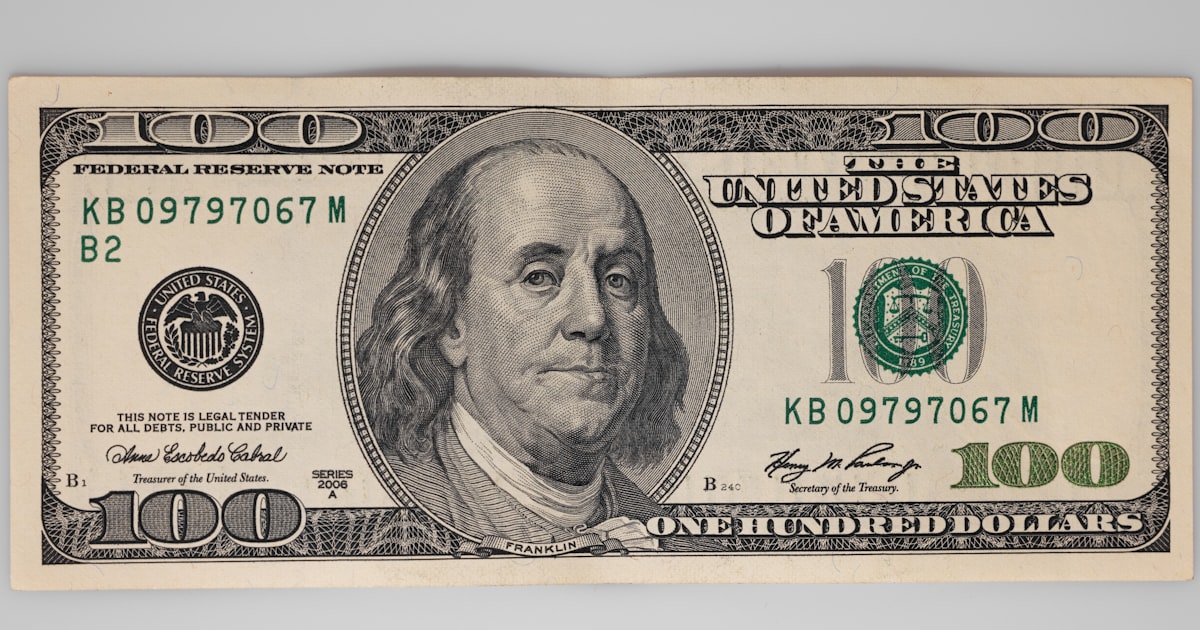
What Happened with the Dollar and Ibovespa?
According to G1, last Friday, the dollar closed up 0.52%, at R$ 5.2194, peaking at R$ 5.2489 during the trading session. On the other hand, Ibovespa fell by 0.10%, marking its ninth consecutive decline. This scenario reflects growing caution among investors, especially amid electoral uncertainties and a recent downgrade by JPMorgan regarding investment recommendations in Brazil.
Electoral polls have created apprehension, as elections may directly impact the country's economic policies. This type of uncertainty can lead investors to pull back, affecting the financial market and consequently the value of the American currency against the real.
Why Does This Matter?
The rise of the dollar can have various direct and indirect consequences for those living in Brazil. The first impact is on the price of imported goods, which tend to become more expensive. If you often buy electronics, clothes, or food that comes from outside Brazil, be prepared for an increase in prices. For example, if a smartphone that cost R$ 2,000.00 rises 10% due to the dollar's increase, the new price will be R$ 2,200.00.
Additionally, the decline of Ibovespa means that many stocks are losing value, which can affect your wealth if you invest in stocks or funds tied to the index. Moreover, the sense of insecurity in the market may lead investors to adopt a more conservative posture, hindering economic recovery.
What Changes for Salary Earners?
For those living on a salary, the rise of the dollar can mean an increase in daily costs. Products like fuel and food that depend on imported inputs may become more expensive. If you spend R$ 500.00 on groceries, for instance, a 5% price increase could mean you spend R$ 525.00 at the end of the month.
This makes it even more important to organize your personal finances. The 50/30/20 method can be a great ally in this moment. Set aside 50% of your income for needs, 30% for wants, and 20% for savings and investments. With the dollar rising, you may need to reassess this division. For example, if you earn R$ 3,000.00, this means:
- R$ 1,500.00 for needs (increase attention to what is truly essential)
- R$ 900.00 for wants (consider cutting non-essential expenses)
- R$ 600.00 for savings and investments (keep an eye on the best products)
What to Do About the Dollar Rise?
First, pay attention to your spending. If products you consume daily are rising in price, consider cheaper alternatives or even swap brands. Additionally, now is a good time to evaluate your investment portfolio. If you are exposed to dollar-linked assets, such as stocks of exporting companies, it may be an opportunity to strengthen your position.
Another tip is to create an emergency fund if you don’t have one yet. Ideally, this fund should cover three to six months of expenses. With market uncertainty, having a financial cushion can help you cope with a potential increase in costs.
Connection with Your Financial Organization and ADXIS
The rise of the dollar and the fall of Ibovespa show that the economic environment can change rapidly. Therefore, it is crucial to have a well-structured financial plan. Using ADXIS can help you organize and track your expenses, investments, and savings, ensuring that you are always prepared for market fluctuations.
Was this article helpful?
Equipe ADXIS
A equipe de conteúdo do ADXIS escreve sobre organização financeira, investimentos e comportamento com dinheiro.