
Dollar Rises: What It Means for Your Wallet?
With the dollar rising and inflation in focus, understand how this can impact your personal finances.
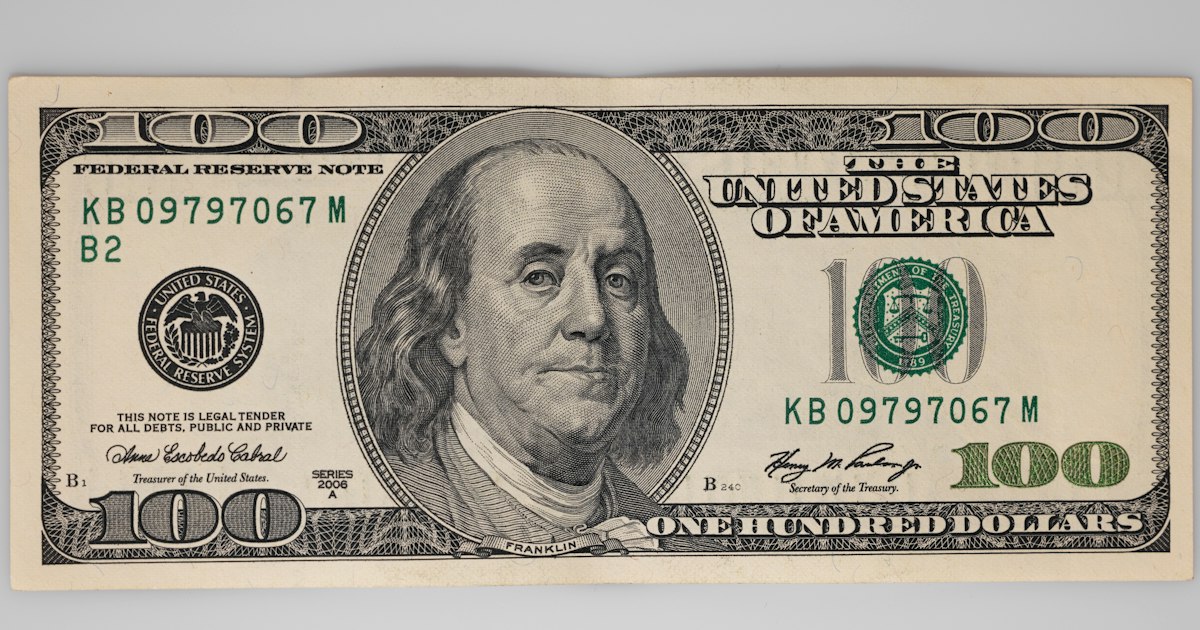
Dollar rises and Ibovespa falls: what's happening?
According to G1, on Friday (11), the dollar rose by 0.44%, closing at R$ 5.1250, while the Ibovespa fell by 0.56%. These movements are directly related to new information about inflation in both Brazil and the United States, as well as fluctuations in oil prices and the Brazilian electoral scenario.
The deflation of 0.32% in Brazil in August is a positive sign, but it also reveals that market volatility is high. The market is closely watching how the Monetary Policy Committee (Copom) will react to these numbers, with expectations of a cut in the interest rate that could affect your personal finances.
Why does the dollar price matter?
The exchange rate directly impacts the prices of imported products and, consequently, the cost of living. When the dollar rises, products that depend on imports may become more expensive; this includes electronics, clothing, and even food. Imagine you planned to buy a new smartphone costing R$ 2,000. If the dollar rises and increases import costs, that same smartphone may cost R$ 2,200 or even more. And what does this mean for your wallet?
- Higher cost of living: Imported products become more expensive.
- Inflation pressure: If prices rise, it may affect your purchasing power.
- Budget adjustments: You may need to review your monthly budget to accommodate these increases.
Practical impact on your finances
For those earning a fixed salary, the dollar's rise can be felt in various ways. You may notice that your money doesn’t stretch as far as it used to, as the prices of products and services tend to rise. If you have bills to pay, it may be necessary to reassess your budget. Using the 50/30/20 method, consider adjusting your allocation.
- 50% for needs: Include adjustments for products that have become more expensive.
- 30% for wants: It may be time to cut back on non-essential items.
- 20% for savings and investments: Maintain this discipline, but consider diversifying your investments to hedge against inflation.
What to do now?
If you are concerned about how the dollar's rise and inflation may affect your finances, here are some concrete actions you can take:
- Adjust your budget: Review and adapt your monthly expenses.
- Consider alternatives: Look for national brands and products that can replace imports.
- Invest in financial education: Learn more about how to protect your money in times of economic uncertainty.
Connection to financial organization
The rise of the dollar and inflation are reminders that financial organization is crucial. ADXIS can help you stay on track by allowing you to adjust your budget and track your spending. Remember, having a well-structured financial plan is key to facing economic volatility and ensuring you're always prepared for the unexpected.
Was this article helpful?
Equipe ADXIS
A equipe de conteúdo do ADXIS escreve sobre organização financeira, investimentos e comportamento com dinheiro.