
Dollar Decline: What It Means for Your Wallet
The recent drop in the dollar can impact your finances. Learn how this may benefit your daily life.
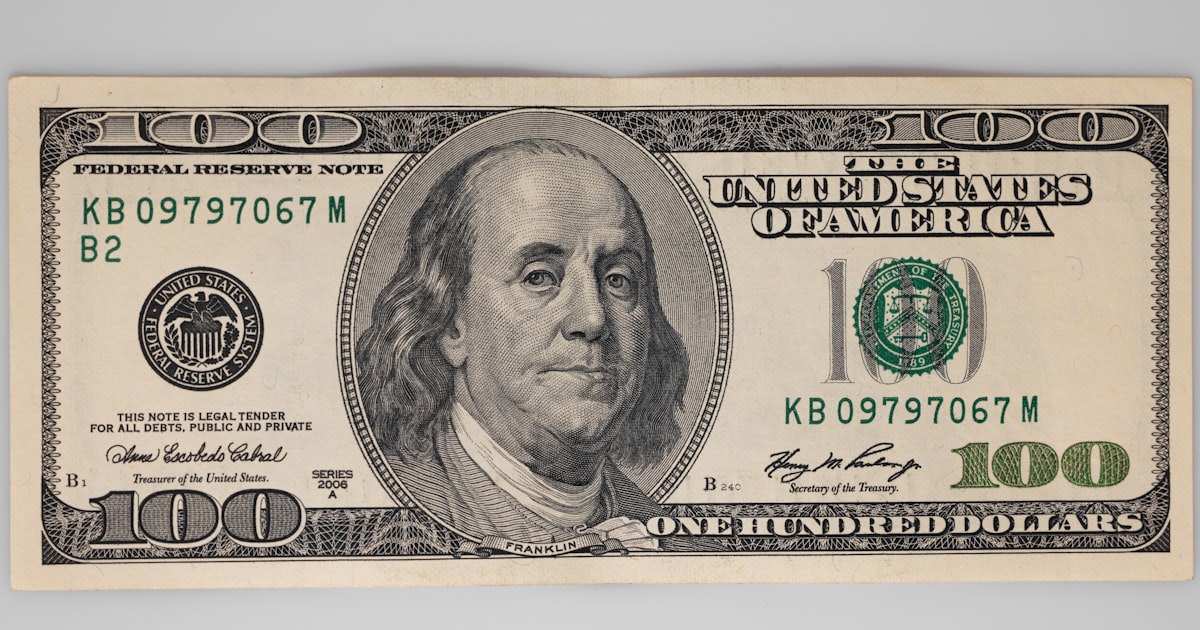
What happened with the dollar?
According to G1, the dollar ended the session at R$ 5.1773, with a decline of 0.47%. This movement is related to new inflation data from both Brazil and the United States, which directly influence market expectations regarding interest rates.
The National Consumer Price Index (IPCA-15) rose 0.41% in June, while in the US, the Personal Consumption Expenditures (PCE) index rose 4.1%. This information helps to understand the economic scenario and the movements of the dollar.
Why does inflation matter?
Inflation is one of the main factors influencing the value of a currency. When inflation is high, purchasing power decreases, which can cause the dollar to rise against the real. Therefore, the dollar's decline may indicate that inflation is being controlled or that the economy is recovering.
In Brazil, food and housing prices are rising, which is a concern. However, the dollar's decline could provide relief, especially for those buying imported products or travelers.
Practical impact on your daily life
With the dollar declining, you may feel some changes in your pocket:
- Cheaper imported products: If you plan to buy electronics, clothing, or other imported goods, you may notice a reduction in prices.
- International travel: The cost of your trip may become more accessible, as the conversion from reais to dollars becomes more favorable.
- Controlled inflation: If inflation continues to be controlled, your salary may maintain its purchasing power, allowing you to spend more or save more.
What to do now?
With the state of the dollar and inflation in mind, here are some concrete actions you can take:
- Review your budget: Use the 50/30/20 method to organize your finances. Allocate 50% for needs, 30% for wants, and 20% for savings.
- Consider purchasing imported products: Take advantage of the dollar's decline to acquire items you had planned to buy.
- Plan trips: If you dream of traveling, now may be a good time to start planning, benefiting from the appreciation of the real.
The connection to financial organization
Understanding the movements of the dollar and inflation is crucial for your financial planning. Good financial organization can help you better manage these fluctuations and prepare for the future. At ADXIS, you can find tools and tips that can help you keep your finances in check, even amid market uncertainties.
Was this article helpful?
Equipe ADXIS
A equipe de conteúdo do ADXIS escreve sobre organização financeira, investimentos e comportamento com dinheiro.