
Dollar Declines: What It Means for Your Wallet?
Learn how the recent drop in the dollar can impact your personal finances and what you can do to take advantage of the situation.
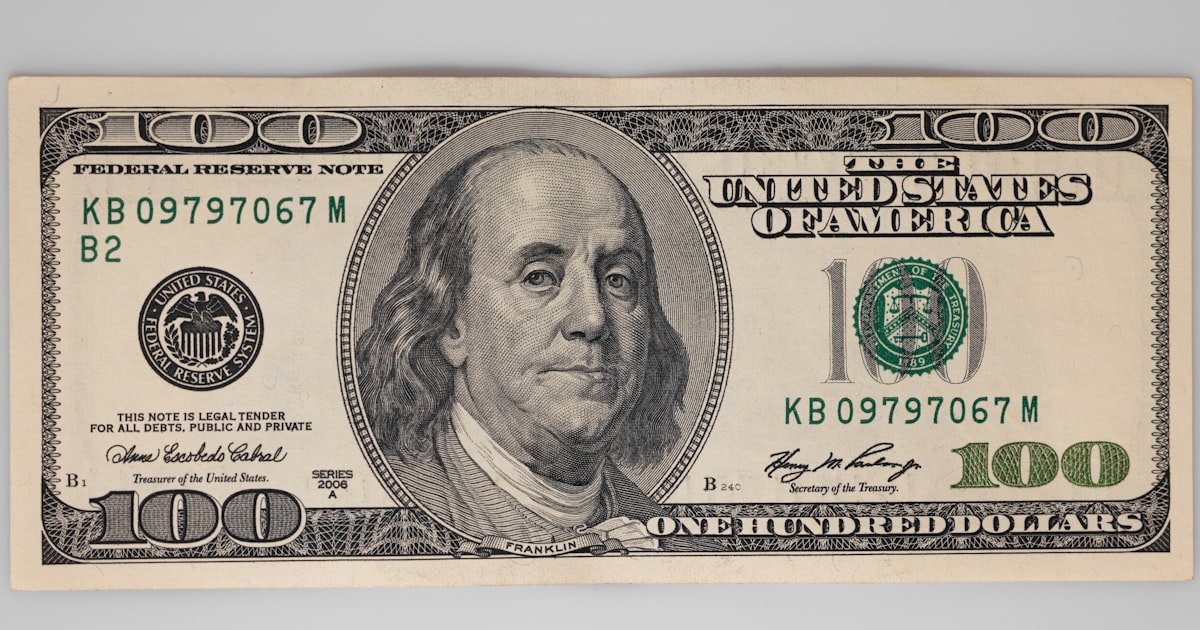
The Dollar and Recent Fluctuations
According to G1, the dollar closed down 0.19%, trading at R$ 5.0185, following signals that a peace agreement between the US and Iran may be on the horizon. This expectation boosted the financial market, resulting in a 0.91% increase in the Ibovespa. But what does this really mean for you?
Why the Dollar Drop Matters
The appreciation or depreciation of the dollar directly impacts your financial life. When the dollar falls, imported products tend to become cheaper. This can reflect in reduced prices for electronics, clothing, and even food that use imported inputs. A lower dollar can also help control inflation, as cheaper products mean less pressure on internal prices.
Additionally, a weaker dollar may incentivize travel abroad, as your currency will have greater purchasing power. If you were planning a trip, for instance, now might be a good time to buy your foreign currency.
Practical Impact on Your Daily Life
To understand the practical impact, let's consider a few scenarios:
- If you buy an electronic that costs R$ 1,000 and 50% of its cost is imported, with the dollar's drop, that product could become up to 10% cheaper, resulting in a savings of R$ 100.
- If you usually travel abroad, with a stronger currency, you can buy more for the same amount. For example, if you planned to spend R$ 5,000 on your trip, you might now have R$ 5,200 to spend.
- If you work with imported inputs, there could be a reduction in costs, allowing for greater profit margins.
Concrete Actions You Can Take
Now that you understand the relationship between the dollar's drop and your finances, here are some concrete actions you might consider:
- Review your budget: If the lower dollar means some products will become cheaper, adjust your budget to take advantage of these opportunities.
- Invest in imported products: If you're thinking about buying something imported, like electronics, now might be the right time to make that purchase.
- Plan trips: If you have travel plans, consider exchanging currency now while the dollar is still declining.
Connection to the 50/30/20 Method
This scenario can also be linked to the 50/30/20 financial organization method. By recognizing that some expenses may decrease with the dollar's decline, you can allocate those savings to your emergency fund or even investments, thereby enhancing your financial security. The goal is to use the gains to reinforce your financial goals consciously.
Conclusion
The dollar's drop might seem like a minor detail in the economic landscape, but it has a significant impact on your personal finances. Taking advantage of this moment can be a smart way to improve your financial health. Use ADXIS to track your expenses and ensure you're always on the right path to achieving your financial goals.
Was this article helpful?
Equipe ADXIS
A equipe de conteúdo do ADXIS escreve sobre organização financeira, investimentos e comportamento com dinheiro.