
Dollar Falls: What Does It Mean for Your Wallet?
The recent fall of the dollar can impact your finances. Learn how to prepare for the changes.
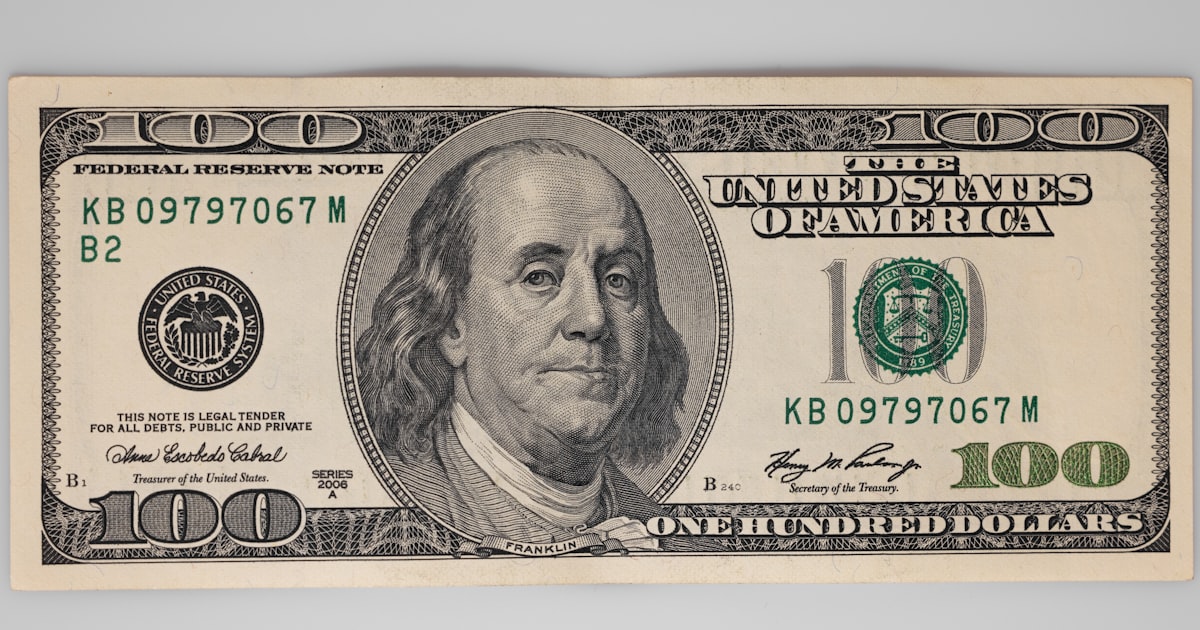
Dollar Falls
According to G1, the dollar closed at R$ 5.02, a drop of 0.39%, directly related to tensions in the Middle East and their influence on global markets. This exchange rate movement is not just a number on the screen; it can have a direct impact on your daily financial life.
Dollar fluctuations can affect your grocery bills, fuel prices, and even your online purchases. When the dollar falls, imported products tend to become cheaper. On the other hand, when it rises, you may notice an increase in prices for items that rely on foreign inputs.
Why It Matters?
The dollar's fluctuation is closely tied to external factors, such as geopolitical conflicts, which can impact oil prices and, consequently, inflation. An increase in oil prices, for example, can put pressure on inflation and directly affect your purchasing power as items like gasoline and food may become more expensive.
The recent increase in the inflation expectation for 2026, from 5.04% to 5.09%, serves as a warning. This means that the cost of living might rise, and it is essential for you to be prepared for this.
What Changes for You?
For those earning a salary and paying bills, understanding how the dollar's exchange rate affects your finances is crucial. If you often make international purchases or buy products that depend on imports, you may notice a difference in prices. Let's imagine a scenario:
- If you usually buy an imported product that costs R$ 500, with the dollar's fall, that same product may become cheaper, say R$ 480.
- However, if inflation continues to rise, you might still feel that price weighing on your monthly budget.
Moreover, the decrease in the dollar's price might encourage you to make purchases, but be cautious: don't neglect your financial planning. Use the 50/30/20 method to organize your spending. Allocate 50% of your salary for needs, 30% for wants, and 20% for investments or emergency savings.
Concrete Actions You Can Take
Taking advantage of the dollar's drop is a good opportunity, but it requires careful action. Here are some tips:
- Review your budget: See if it's time to invest in products you were postponing due to their price.
- Invest in emergency savings: With economic uncertainty, having a financial cushion is essential.
- Monitor prices: Stay alert to price changes for items you regularly buy.
- Educate yourself financially: Seek to learn more about how market changes affect your personal finances.
Connecting Your Personal Finances to ADXIS
In times of economic volatility, having a clear financial plan can make all the difference. Use ADXIS to organize your budget and manage your finances better. The 50/30/20 method can be the key to ensuring you not only survive but thrive amid uncertainties. Stay updated on the news, but don’t let it dictate your financial decisions. Plan ahead and be prepared for any scenario.
Was this article helpful?
Equipe ADXIS
A equipe de conteúdo do ADXIS escreve sobre organização financeira, investimentos e comportamento com dinheiro.