
Middle East War: What It Means for Your Wallet
The escalation of conflict in the Middle East could impact your finances. Learn how to prepare for potential financial shifts.
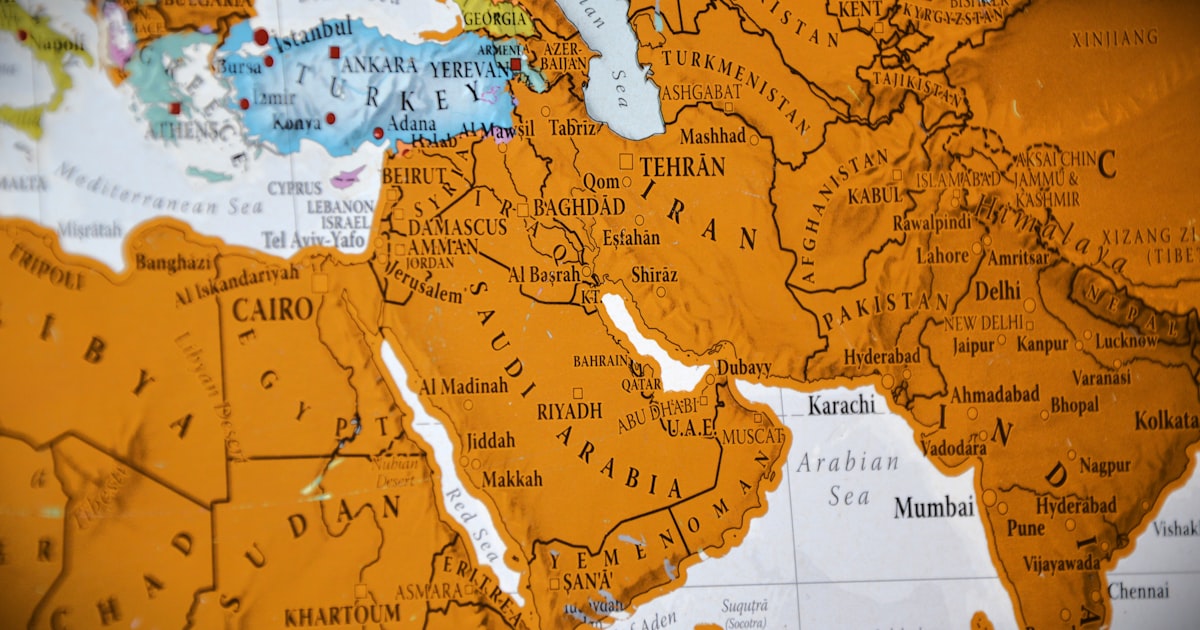
What's happening?
According to G1, the escalation of tensions between the United States and Iran has led the World Bank to forecast global growth of just 1.3% in 2026. This alarming prediction comes on the heels of last year's 2.9% growth. World Bank Chief Economist Indermit Gill noted that global inflation could rise to 4.5% if conflicts persist, directly impacting the economies of many countries, especially poorer ones.
Why does this matter?
The global economic landscape is interconnected, and conflicts in the Middle East can affect oil prices and, consequently, inflation. Rising prices affect not only fuel but also food and essential products, putting extra pressure on your monthly budget.
The impact of inflation and higher interest rates can be felt in various ways:
- Increased utility costs: If oil prices rise, transportation costs and, in turn, the prices of products delivered to you also increase.
- Higher interest rates: With expectations of rising interest rates, loans and financing become more expensive. This is particularly concerning for those with existing debt.
- Food insecurity: Interruption of shipments of fertilizers and agricultural products may lead to an increase in food prices.
What changes for salaried individuals?
If you earn a fixed salary, it's crucial to understand how these changes can impact your financial life. With rising inflation and slowing economic growth, you may face:
- Reduced purchasing power: As prices rise, your money is worth less. For example, if you currently spend R$ 500 on monthly purchases, in a 4.5% inflation scenario, you might need to spend about R$ 522 to buy the same amount of products next year.
- Increased debt burdens: If you have a loan, prepare for higher payments. An increase in interest rates could mean larger installments, further straining your budget.
- Less investment in essential services: With more expenses, it may be challenging to allocate money for education, health, and leisure.
What can you do now?
In light of an uncertain scenario, it's essential to act proactively. Here are some tips to prepare:
- Review your budget: Use the 50/30/20 method to organize your finances. Allocate 50% for needs, 30% for wants, and 20% for savings or investments.
- Increase your emergency fund: With the potential for rising expenses, it's advisable to have a larger financial cushion. Aim to save 3 to 6 months' worth of fixed expenses.
- Avoid new debts: If possible, refrain from impulse purchases or taking on new loans, especially with uncertain interest rates.
- Invest in financial education: Learn about investments and inflation protection options, such as inflation-linked bonds.
Connecting with your financial organization
The escalation of conflict in the Middle East serves as a reminder of how global events can impact your financial life. By keeping your finances organized and following the 50/30/20 method, you can build a solid foundation to face crises. At ADXIS, we are here to help you structure your budget and prepare for the future, no matter what happens in the global economic landscape.
Was this article helpful?
Equipe ADXIS
A equipe de conteúdo do ADXIS escreve sobre organização financeira, investimentos e comportamento com dinheiro.