
The Future of Retail: What the Crisis in Physical Stores Means for You
Major retailers are rethinking their operations, which could directly impact your finances. Learn how these changes might affect your shopping.
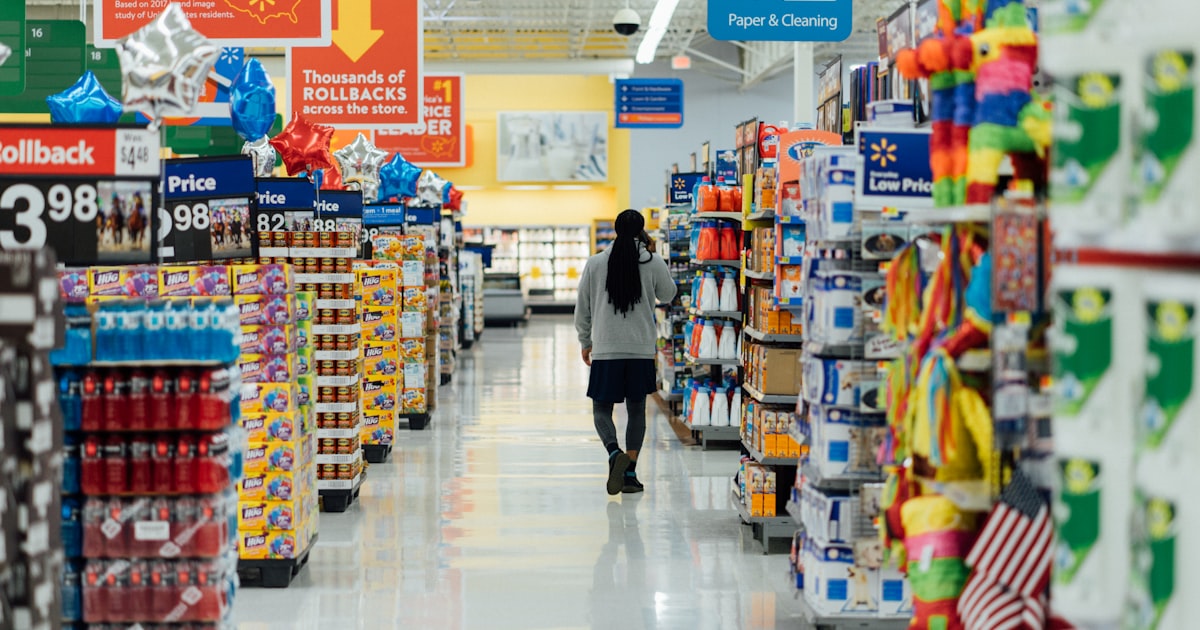
Major Retailers in Crisis
According to G1, major retailers like Casas Bahia and Grupo Pão de Açúcar are undergoing drastic restructuring due to high debts and changes in consumer behavior. What was once a model of accelerated growth through new store openings is now proving unsustainable amid high interest rates and a more cautious consumer.
For example, Grupo Casas Bahia is facing judicial recovery with an astonishing R$ 17.3 billion in debt. Meanwhile, GPA opted for extrajudicial recovery, renegotiating R$ 4.5 billion. These changes reflect the challenges in the retail sector, which, despite robust revenues, struggles to maintain operations due to high operational costs and new consumption dynamics.
Why This Matters to You
With the restructuring of these major chains, the impact can be felt directly in your wallet. Store closures and reductions in units may result in fewer shopping options and potentially higher prices, as competition diminishes. You may also notice a shift in pricing strategies, with stores looking to maximize profits and offering promotions that cater to a more discerning consumer.
Furthermore, this scenario might accelerate the rise of private labels and wholesale options, which tend to offer products at more affordable prices. This means you, as a consumer, may need to adapt to a new shopping reality where comparing prices and seeking promotions becomes even more essential.
How to Protect Your Budget
With changes in retail, it’s crucial that you stay focused on your financial organization. Here are some practical tips:
- Review your budget: Use the 50/30/20 method to allocate your spending. Reserve 50% of your income for needs, 30% for wants, and 20% for savings and investments.
- Price shop: Take advantage of technology. Use apps to compare prices and find the best deals.
- Consider alternative brands: With the trend towards increased private labels, pay attention to options that may offer quality at lower prices.
- Plan your purchases: Plan your shopping in advance to avoid impulse buys that can impact your budget.
The Connection with ADXIS
These changes in retail reinforce the importance of sound financial management. Through ADXIS, you can monitor your spending and ensure you are following the 50/30/20 method. With solid financial organization, you will be better prepared to face market challenges and seize opportunities as they arise.
Starting or adjusting your emergency fund can be a smart strategy in this uncertain scenario. The more prepared you are financially, the better you can navigate market fluctuations and changes that impact consumption.
Was this article helpful?
Equipe ADXIS
A equipe de conteúdo do ADXIS escreve sobre organização financeira, investimentos e comportamento com dinheiro.