
What the slowdown of inflation in Argentina means for you?
Learn how the decrease in inflation in Argentina can impact your finances and what you can learn from it.
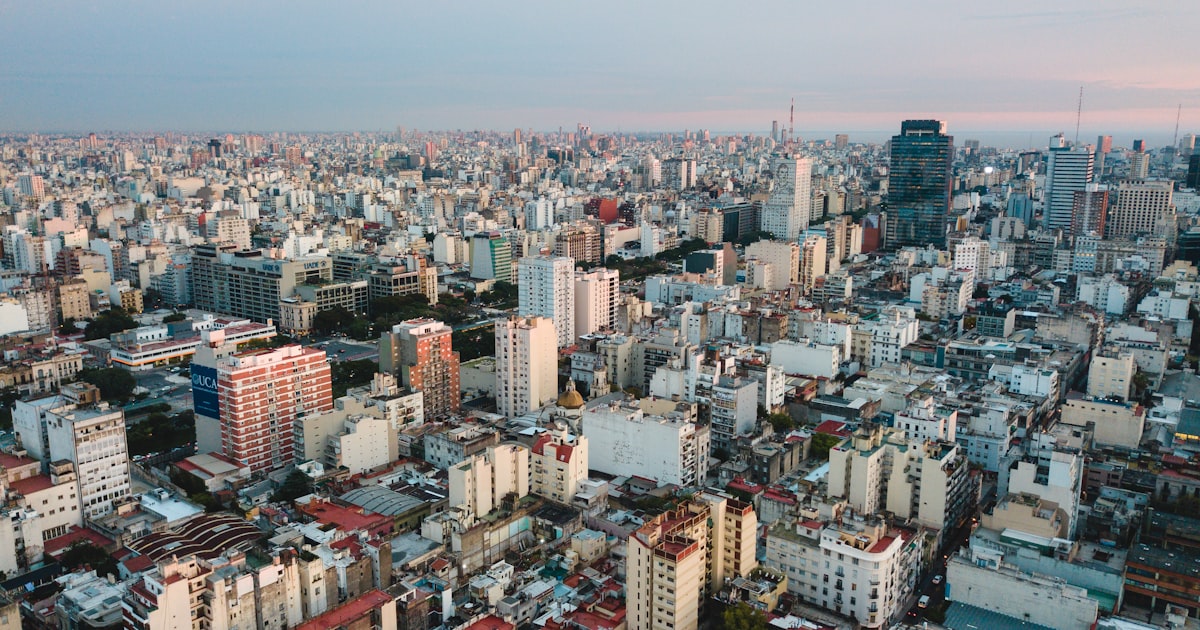
Inflation in Argentina: a brief overview
According to G1, inflation in Argentina dropped to 2.6% in April, accumulating 32.4% over the past 12 months. This slowdown is a relief for many Argentinians, but the economic situation remains challenging, especially with sectors like transportation and education recording significant price increases.
The economic landscape of Argentina is complex and marked by drastic reforms implemented by President Javier Milei, who aims to stabilize the economy after a period of severe recession. These reforms include cuts to subsidies for essential services, which, paradoxically, can lead to price increases in the short term.
Why does this matter to you?
Although inflation in Argentina may seem distant to many Brazilians, what happens in a neighboring country can teach us valuable lessons about managing our personal finances. Inflation directly impacts purchasing power and, consequently, financial planning.
For example, if you earn R$ 3,000 per month and inflation in Brazil is rising, as we have seen, your money may not hold the same value by the end of the month. If inflation is 6%, what you could buy with R$ 3,000 today could cost R$ 3,180 next month. This highlights how crucial it is to maintain strict financial control.
What changes for those paying bills?
When inflation slows down, as in the case of Argentina, it can mean greater predictability in prices. For you, this could translate to fewer surprises when paying bills. However, it is still necessary to be alert to price increases in specific sectors that can impact your budget.
Applying the 50/30/20 method can be an excellent strategy here:
- 50% for needs: rent, utilities, food.
- 30% for wants: leisure, hobbies, dining out.
- 20% for savings and investments: set aside some for your emergency fund and investments.
Considering inflation, adjusting these allocations may be necessary. If food and transportation prices are rising, you may need to cut back on other areas or boost your savings.
Concrete actions you can take
Based on Argentina's economic situation, here are some practical tips:
- Review your monthly budget: adjust the spending categories that are increasing.
- Prioritize building an emergency fund: ideally, have 3 to 6 months' worth of expenses saved.
- Consider alternative investments: in times of inflation, investing in assets that protect your capital can be a good idea.
- Keep an eye on promotions and prices: with high inflation, taking advantage of better prices can help maintain your budget.
Connection with financial organization and ADXIS
What we are learning from inflation in Argentina is that financial control is essential regardless of each country's economic situation. At ADXIS, we believe that financial organization is the key to success in any scenario. Using the 50/30/20 method can help you better prepare for daily challenges and ensure you are always one step ahead. Make your planning, monitor your spending, and be ready to adjust as necessary.
Was this article helpful?
Equipe ADXIS
A equipe de conteúdo do ADXIS escreve sobre organização financeira, investimentos e comportamento com dinheiro.