
Impact of the 'Blusinha Tax' on Your Finances
Learn how the tax on international purchases could affect your personal finances and local commerce.
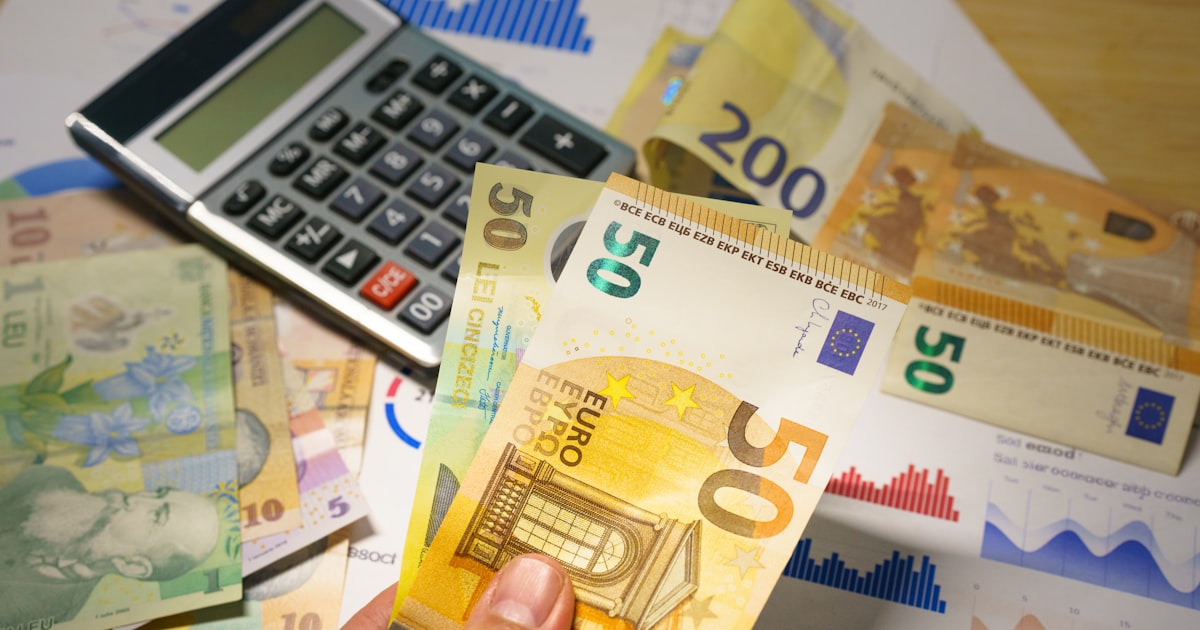
What happened with the 'Blusinha Tax'?
According to G1, the discussion about the so-called 'Blusinha Tax' gained prominence when former Finance Minister Fernando Haddad defended the continuation of this tax on international purchases up to US$50, despite President Lula's retraction. This tax, proposed in 2024, aimed to protect national industry but generated controversy and was revoked in an election year.
Haddad argues that a physical store should not pay more taxes than an online store, raising questions about fiscal equity among merchants. He claims that the measure could preserve jobs and strengthen local commerce, but the rapid revocation of the tax shows the political difficulties in maintaining unpopular positions.
Why does this matter?
The issue of the 'Blusinha Tax' is not just a political discussion; it directly affects your financial reality. When taxes on imported products are discussed, it impacts the prices you pay for everyday items, especially in a scenario where inflation and the tax burden are already high.
For example, if you frequently purchase clothes and electronics from abroad, the revocation of this tax may seem like good news in the short term, as you may save money when purchasing. However, this savings may come at a hidden cost: the loss of jobs in local commerce, which is affected by the unfair competition of international purchases.
What changes for you?
If you earn an average salary of R$2,000 and usually spend around R$400 on clothes and electronics annually, the lack of regulations like the 'Blusinha Tax' may lead you to increase international purchases. This may seem advantageous, but it's crucial to pay attention to the impact this may have on local commerce and, consequently, on your neighborhood's economy.
Moreover, if you have a budget organized with the 50/30/20 method, where 50% of your salary goes to needs, 30% to wants, and 20% to savings and investments, you might want to rethink your international purchases. For example:
- Needs (R$1,000): fixed expenses like rent, bills, and food.
- Wants (R$600): this could include some international purchases, but with the revocation of the tax, you may end up buying more than you actually need.
- Savings (R$400): with excessive spending on imported products, you might end up sacrificing your savings.
Concrete actions you can take
To better manage your finances in this scenario, consider the following actions:
- Review your budget: check if you are spending more on international purchases and adjust your spending categories.
- Consider local commerce: prioritizing buying from physical stores can help maintain jobs in your community and ensure a healthy economic cycle.
- Financial education: invest time in understanding the tax implications of your purchases and how they affect your personal economy.
Connection with financial organization and ADXIS
The discussion around the 'Blusinha Tax' illustrates the importance of having good financial organization, like the 50/30/20 method that ADXIS promotes. By keeping track of your expenses and prioritizing your savings, you position yourself better to face market fluctuations and changes in fiscal policies. Be conscious of where you spend and always seek the best balance for your personal finances.
Was this article helpful?
Equipe ADXIS
A equipe de conteúdo do ADXIS escreve sobre organização financeira, investimentos e comportamento com dinheiro.