
Market Optimism: What It Really Means for You
Learn how the current market optimism could impact your finances and what you can do to safeguard yourself.
What's happening?
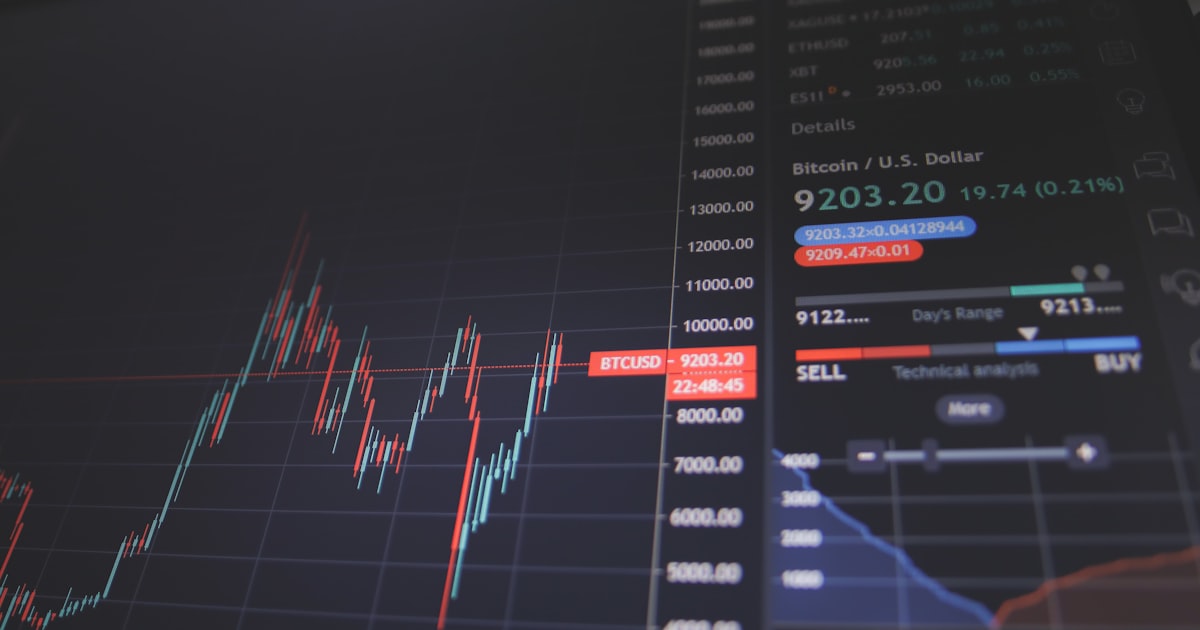
According to Valor Econômico, the mood in financial markets is optimistic, with major stock exchanges rising, especially driven by tech giants. While it seems everything is fine, there are signs that this optimism may not reflect long-term realities, evidenced by a reassessment of expectations regarding profits and investments in artificial intelligence (AI).
This apparent stability can hide risks that you, as an investor or consumer, need to consider. The phrase "everything is fine" can invite relaxation, but we must remain alert to changes that could directly impact our personal finances.
Why does it matter?
The market's optimism, as highlighted in the analysis, is often driven by large companies and sectors, but this does not mean that everyone is benefiting equally. Investments in technology, particularly in AI, are at the forefront, but increasing speculation could lead to a sudden collapse, as we have seen before.
For instance, if you hold stocks or funds heavily invested in technology, you should be aware that the value of these stocks may not be sustainable. If a bubble bursts, you could see a significant decline in your investments, which can affect your long-term financial plans.
Practical impact: what changes for you?
For those earning a salary and paying bills, the current market situation may create a false sense of security. You might be thinking that if the market is up, your investments are safe and your financial situation is under control. However, it's crucial to assess whether your expectations are aligned with market realities.
- If you invest in stocks: analyze your portfolio composition. If it's heavily concentrated in technology or volatile sectors, consider diversifying.
- If you rely on fixed income investments: keep an eye on interest rates and market performance. With the possibility of a bubble, these investments may not be as secure as they seem.
- If you have debts: maintain strict control over your finances. Market instability could affect the interest you pay on your debts.
What to do: concrete actions
Now that you are aware of the risks associated with market optimism, what can you do to protect yourself? Here are some practical actions:
- Reassess your budget: use the 50/30/20 method to ensure you are allocating your money wisely. Reserve 50% for needs, 30% for wants, and 20% for savings and investments.
- Create an emergency fund: always have a fund to cover unforeseen events. This can be crucial if the market goes through a correction.
- Consider alternative investments: beyond stocks, explore options in fixed income or diversified funds that may offer security in uncertain times.
Connection with financial organization and ADXIS
The current market situation is an important reminder that, regardless of the economic climate, personal financial organization is essential. At ADXIS, you can learn to manage your money effectively, using the 50/30/20 method to ensure you are prepared for any eventuality.
Don't let market optimism deceive you. Conduct a critical analysis of your financial situation and make informed decisions to protect your future.
Was this article helpful?
Equipe ADXIS
A equipe de conteúdo do ADXIS escreve sobre organização financeira, investimentos e comportamento com dinheiro.