
Why Gas Prices Are Slow to Drop and What You Can Do
Gas and diesel prices remain high in Brazil. Understand what it means for your finances and how to manage your budget.
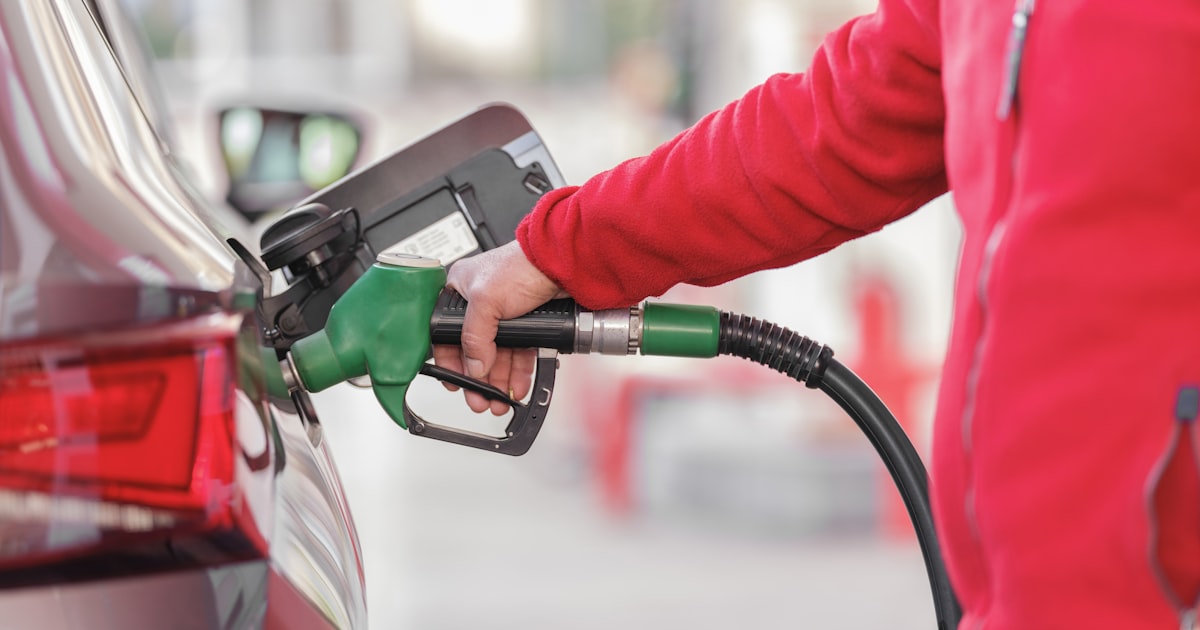
The High Prices of Gas and Diesel in Brazil
According to G1, oil prices have started to rise again due to the unpredictability of the conflict between the United States and Iran, which is directly reflected in the prices of gasoline and diesel in Brazil. Since the war began, prices have increased by about 10% and 5%, respectively. However, even with this increase in the international market, prices at Brazilian gas stations have not dropped significantly.
This happens because, despite the fluctuations, the Brazilian government has adopted measures to contain these increases, such as subsidies that, on the one hand, have kept prices in check but, on the other, have also prevented significant drops from reaching consumers.
The Context of Fuel Prices in Brazil
In the current scenario, the high fuel prices are a constant concern for many Brazilians. The government has allocated more than R$ 30 billion to containment measures, which have been crucial in avoiding sharp price hikes at the pumps. However, this same strategy limits the potential for price drops, as the subsidy was one of the reasons for the moderation in increases.
Additionally, Petrobras has made adjustments to prices, but often these adjustments only compensate for the effects of the subsidies. For example, a recent reduction of R$ 0.35 in diesel at refineries did not result in lower prices for final consumers, as it merely nullified the effect of the subsidy that was being applied.
Practical Impact on Your Daily Life
And what does this mean for your wallet? If you are a driver who needs to refuel your car, the reality is that high fuel prices directly impact your budget. Imagine you spend R$ 200 per month on fuel. If gasoline prices rise by 10%, you will now spend R$ 220 monthly, which could affect other areas of your budget.
With the 50/30/20 method in mind, where 50% of your income should go to needs, 30% to wants, and 20% to savings and investments, an increase in fuel expenses may force you to reevaluate your spending. If your salary is R$ 3,000, for example, and you spend R$ 200 on gasoline, a price hike could compromise part of your financial space reserved for other needs or even savings.
What You Can Do to Financially Organize Yourself
In light of this situation, here are some actions you can take:
- Review your budget: Analyze your monthly expenses and see where you can cut costs. If the increase in gasoline prices impacts your budget, you may need to reduce spending in other areas.
- Consider transportation alternatives: If possible, use public transport, carpools, or even consider walking or biking for short distances.
- Plan your purchases: Combine errands to avoid multiple trips, thereby saving on fuel.
- Create an emergency fund: With an emergency fund, you can better handle financial surprises that may arise, such as sudden increases in fuel costs.
The Importance of Financial Organization
Organizing your finances is not just a healthy practice but a necessity, especially in times of economic uncertainty. Keeping a strict control over your expenses and planning for the future can make all the difference in your quality of life. ADXIS can help you implement the 50/30/20 method practically, ensuring that you are prepared to face challenges that arise, like fluctuations in fuel prices.
Was this article helpful?
Equipe ADXIS
A equipe de conteúdo do ADXIS escreve sobre organização financeira, investimentos e comportamento com dinheiro.