
Future Interest Rates Drop: What It Means for You
The recent drop in future interest rates can impact your finances, especially if you have debts or are considering investing.
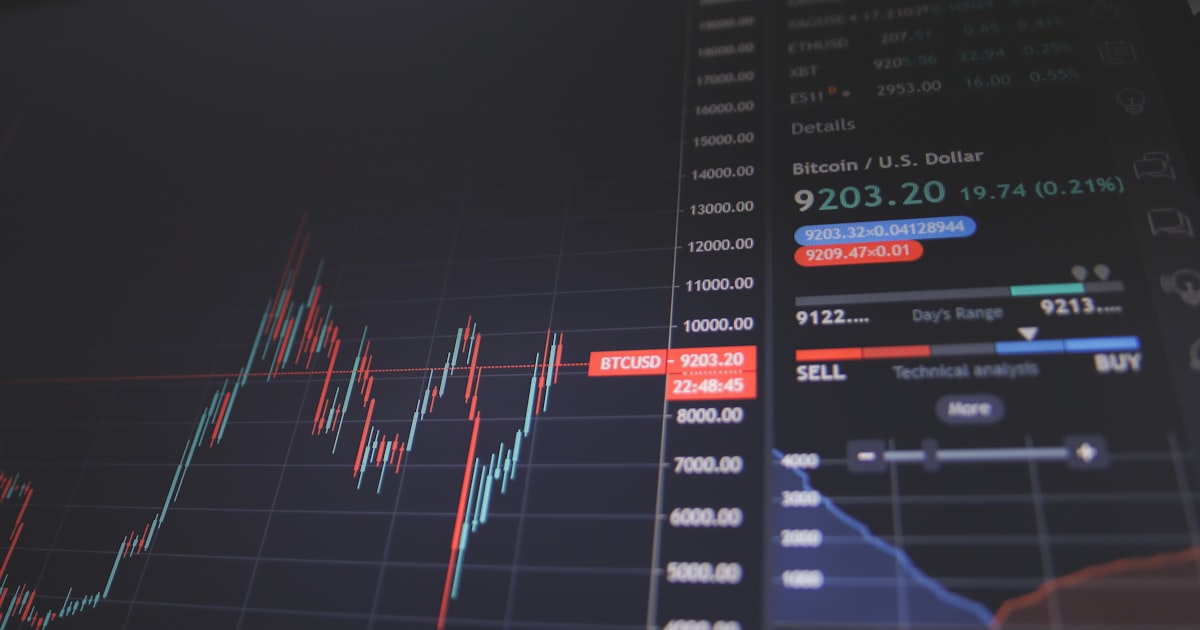
Future Interest Rates Drop and Oil Influence
According to Valor Econômico, future interest rates closed lower, reflecting a stabilization in oil prices. This change is significant because future interest rates are closely tied to borrowing costs and investments in Brazil. For example, the rate of the Interbank Deposit (DI) contract maturing in January 2027 fell from 14.04% to 13.990%.
Why do oil price fluctuations influence interest rates? Instability in oil prices typically increases market risk aversion, leading investors to demand higher interest rates as compensation. When prices stabilize or decline, as recently happened, the scenario becomes more favorable, and the market tends to respond with lower future interest rates.
Practical Impact on Your Daily Life
You might be wondering: what does this mean for my wallet? If you have debts tied to interest rates, such as credit cards or loans, the drop in interest rates can be good news. Lower rates mean that the cost of new loans may decrease, as well as facilitate renegotiating existing debts.
For example, if you have a R$ 50,000 loan with an interest rate of 14% per year, a reduction to 13% per year could represent significant savings on your monthly payment. This reduction could mean savings of about R$ 83 per month, or R$ 996 over a year!
Additionally, if you are thinking about investing, lower interest rates generally make stocks and variable income investments more attractive compared to fixed income. This means it might be a good time to consider diversifying your investment portfolio.
Concrete Actions You Can Take
- Review Your Debts: If you have high-interest debts, consider renegotiating them to take advantage of the decline in rates.
- Seize the Opportunity to Invest: With lower rates, variable income may offer better returns. Evaluate the possibility of investing in stocks or mutual funds.
- Organize Your Budget: Use the 50/30/20 method to balance your spending and increase your emergency fund. With lower interest rates, it’s a good time to ensure you have adequate liquidity.
Connection to Your Financial Organization
Understanding how changes in the economic landscape affect your finances is crucial for good financial management. Using the 50/30/20 method, if you do not have an emergency fund, start building one. If you already have one, it may be time to increase that amount, considering that the scenario can change rapidly.
ADXIS is here to help you in this process. Use our platform to track your expenses, plan your investments, and ensure that your finances are always organized and under control.
Was this article helpful?
Equipe ADXIS
A equipe de conteúdo do ADXIS escreve sobre organização financeira, investimentos e comportamento com dinheiro.