
Supermarkets in Crisis: What It Means for Your Wallet
Changes in supermarket strategies impact your budget. Understand how the crisis in the sector affects your purchases and personal finances.
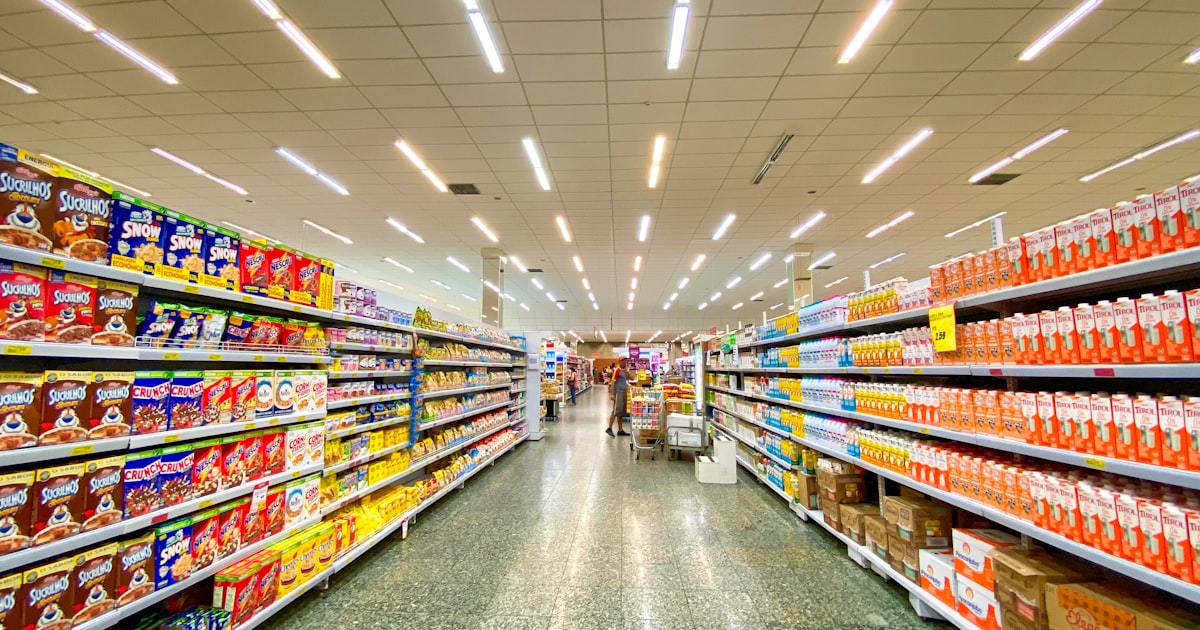
Supermarkets Changing Strategies
According to G1, Grupo Pão de Açúcar (GPA) is undergoing significant restructuring, renegotiating R$ 4.5 billion in debts and closing unprofitable stores. This change reflects a broader trend in retail where many supermarkets are rethinking their physical operations amidst high costs and more cautious consumers.
GPA, which once had around 800 stores, is now focusing on smaller and more profitable formats like neighborhood supermarkets. This new strategy is a response to rising operational costs and a shift in consumer behavior, where price and convenience are prioritized over store location.
The Economic Scenario and Its Impact
With interest rates rising to 15% per year, expanding supermarkets is becoming difficult. The high cost of credit means that companies can no longer easily finance new stores. This reflects a transforming economy where every real counts, and consumers become more selective with their purchases.
This scenario not only affects large chains but also you, as you navigate rising prices and the need to adjust your budget. With inflation and high interest rates, financial planning becomes even more crucial.
How This Changes Your Daily Spending
As supermarkets change their strategies, you may notice alterations in promotions and offers. Chains that once prioritized expansion are now focusing on maintaining the profitability of existing stores, which may mean fewer promotions and more focus on private label products that tend to be cheaper.
For you, this means being more proactive when shopping. Planning grocery trips, researching prices, and comparing products become essential. Where proximity to a store used to be a deciding factor, now price and quality take precedence.
Practical Actions for Your Wallet
Here are some practical tips you can adopt to navigate this new scenario:
- Plan Your Purchases: Create a shopping list and avoid impulse buying. This helps prevent unnecessary spending.
- Compare Prices: Use apps and websites that allow you to compare prices across supermarkets. The savings can be significant.
- Consider Private Labels: Try private label products that tend to be cheaper and are of similar quality to name brands.
- Take Advantage of Promotions: Stay alert for promotions and discounts, but only buy what you actually need.
Connecting This to Your Financial Planning
It's important to remember that by adopting these practices, you're not just saving money but also organizing your finances according to the 50/30/20 method. Allocate 50% of your income for needs, 30% for wants, and 20% for savings and investments. In times of crisis, like the one supermarkets are facing, having a clear plan helps avoid surprises.
At ADXIS, we offer tools and tips to help you stay financially organized, even in tough times. Keeping a tight grip on your spending can make all the difference in your quality of life and financial security.
Was this article helpful?
Equipe ADXIS
A equipe de conteúdo do ADXIS escreve sobre organização financeira, investimentos e comportamento com dinheiro.